


When Rest is Thrust Upon You
Being an indie author can be overwhelming. Especially when coupled with mild social anxiety. You're always comparing yourself to other indies who appear to be making names for themselves. Always thinking of the next story you could tell to set yourself apart. Living with a constant, low ache to keep writing while, also, trying to balance the rest of your life.
Then, you lose interest...
It's not that you've lost interest in writing. It's not that you've lost interest in the story. It's that you are overwhelmed because you, once again, stacked a shit-ton of things on your plate and you're performing a circus-style balancing act on a high-wire to keep them all in check. Something has got to give, and, when it does, it's usually your creative energy.
You're exhausted. In need of a break. The spirit is willing, but the flesh just wants to rot on the couch for a while. Problem is: you rot on the couch for 5 minutes, and it turns into 5 hours. Then you feel guilty for wasting time. But did you really waste time? Or were you busy regenerating your creative brain?

I know because I've been there...
It's frustrating to have all these character voices screaming in your head, but you don't have the energy to write down what they're saying. "I'll do it later," you tell yourself, knowing full-well "later" will be in a couple days, not a couple hours. Hopefully, by then, you won't forget what they were trying to tell you. Hopefully, by then, those voices will still want to talk to you.
So what can you do to get out of this creative slump? It's not writer's block; that's vastly different. I'm talking about the slump where you have the desire to be creative right at the tip of your fingers, but your hand refuses to move. If you've ever felt this way about any creative hobby you have, you're not alone. I have felt this way more times than I care to admit over the last couple of years.
For me, it stems from major life changes and other events that I have going on. I've had to prioritize the logistical part of my brain more than the creative part. Don't get me wrong: the logistical things I've been doing are very fulfilling and enjoyable. But they're overwhelming. Why? Because I have to think about it more; I have to plan and map things out and cater to the needs of a variety of people.

So how do I combat the feeling of overwhelm and stunted creativity?
Well, it's not been easy to find what works for me, but trial and error have given me some insight and I'll share those things with you. Before I share the list, I just want to reiterate that everyone is different and unique in the way they express their creative brain and the way they recharge their creative brain. What works for some may not work for others, and that's okay. All you can do is try; there is no shame in that.
What NOT to say to yourself in a creative slump
If you're like me, your inner dialogue toward yourself is not always kind. With the help of therapy, I'm learning how to recognize the lies I feed myself when I'm overwhelmed so that I can change how I talk to myself going forward. This is particularly beneficial in stressful situations that may or may not even be related to creativity. So I wanted to share a few of the counter-productive things I've said to myself in these slumps. Maybe you've said them to yourself, too...
I can't do this: Yes--and I can't emphasize this enough--you fucking can. You can do anything, if you're willing to put in the work. For me, this ended up being an excuse to ignore something challenging. Maybe it's time to start a new book and I feel unprepared for it. Maybe my mind is just racing and I can't get it to focus. A lot of the time, I have too many thoughts in my head at once and it feels impossible to focus on just one thing, so I just throw my hands up and say "I can't do this" and don't do anything. But that's a lie. You CAN do this. You just have to ground yourself and focus all those thoughts.
I'm not as good as so-and-so, so why bother at all?: Comparing yourself and your personal timeline to others is a terrible habit that can be very hard to break. It takes a lot of self-encouragement and self-acceptance to believe that you are right where you need to be. But, here's the thing: the more you say how amazing you are to yourself, the more you'll re-wire your brain to believe it. And it's true, anyway. You are amazing just for using your creative brain. Not everyone is creative and not all those who are do anything with it. The fact that you're doing what you are is worthy of celebration in and of itself.
I don't think anyone likes my stuff: This is a very personal one and everyone is going to have a different answer based on why they create what they do. Personally, I hold the belief that as long as they're reacting to you at all, then you're doing something right. I call it the "wrestling approach." When a wrestler's entrance music hits, the audience either goes crazy or starts booing. Do you think the wrestlers actually hate the boos? Highly unlikely. Boos are a reaction. They've clearly done something to stir an emotion in you, even if that emotion is negative. Likes and dislikes are so subjective that I would rather someone read my book and say they didn't like it and know that they at least tried it, than for them to just pass it by.
I'll never be a best-selling author: As disheartening as it may be to hear, no, you probably won't. There are so many indie authors and undiscovered talent out there that the chances of ranking with the Nora Roberts and Dean Koontz's of the world are slim. However, that shouldn't stop you from being the best damn author you know you can be. And you can still have being a best-seller as a goal; just keep it realistic and research what little things you need to do to achieve it. Perseverance is key when it comes to creativity. And, if you really don't believe you'll be a best-seller, figure out what your goal is instead. Keep yourself working toward something--even if it's just to have your own books on your own shelf!
Everyone says I should be doing XYZ to be successful. This can be helpful and counter-productive all at once. It seems that everyone has an idea of what you should do with your creative output (books, artwork, etc.). If you respect and trust the people giving their opinion, great! Take their advice and run with it, if you're inclined. But remember: they aren't the ones doing the heavy lifting. My advice here is to either commission them for help with their idea (since it was their idea and not yours) or just let it go. You don't have to do everything everyone suggests. You don't have to post a million times a day on social media or make a ton of videos for YouTube, if those things aren't in your wheelhouse. Hell, I don't even do this blog half the time because it's less important to me than my craft. However, I like to do it every now and again when I feel I've got something worth sharing. So do what your gut tells you because no one knows your craft like you.
Self-publishing is less respectable than traditional publishing. I call bullshit on that one! A published author is a published author, regardless of the avenue taken. Period. It's great that some people have the money to hire a literary agent and get them into the larger publishing umbrellas, but not everyone has that luxury. Self-publishing is a fantastic avenue for people who wouldn't have, otherwise, had the opportunity to share their story with the world. We need to stop being so critical of indie creatives because everyone deserves the chance to share their art. No one is better than anyone else because art is subjective. As long as you love what you're creating and you're getting it out there in a way that suits your desires and needs without impeding on others' opportunities to do the same, fuck the lot of them who tell you differently.
Hopefully, that list is helpful to someone because I know it's a helpful reminder to me. I'm no therapist, but going to therapy has helped me recognize the statements above as detrimental to my creative spark and personal peace of mind. If you find it's challenging to overcome your negative thoughts, I want to encourage you to seek therapy as well. There's no shame in it, and your therapist can give you some tools that fit your needs just like mine did for me.

Tips on how to rest and recharge your creative brain
So you're overwhelmed with ideas, tasks, etc. and you've got some of those negative thoughts floating around in your brain. How can you overcome it so you can create again? Well, here's what I do. Again, I need to emphasize that everyone is unique and different in what they need to recharge. It is my hope that, by sharing what I do, it will inspire you to find your own outlet, if you don't deem mine effective.
Play a video game: This is a big one for me. I tend to play the same couple video games constantly because I know them so well that I don't have to think about it. The "Spyro" trilogy is an absolute favorite as well as "The Sims." And I would strongly encourage any author who's on the struggle bus to give "The Sims" a shot. Creating the characters and houses and working toward silly little goals is a good way to get the old creative juices flowing.
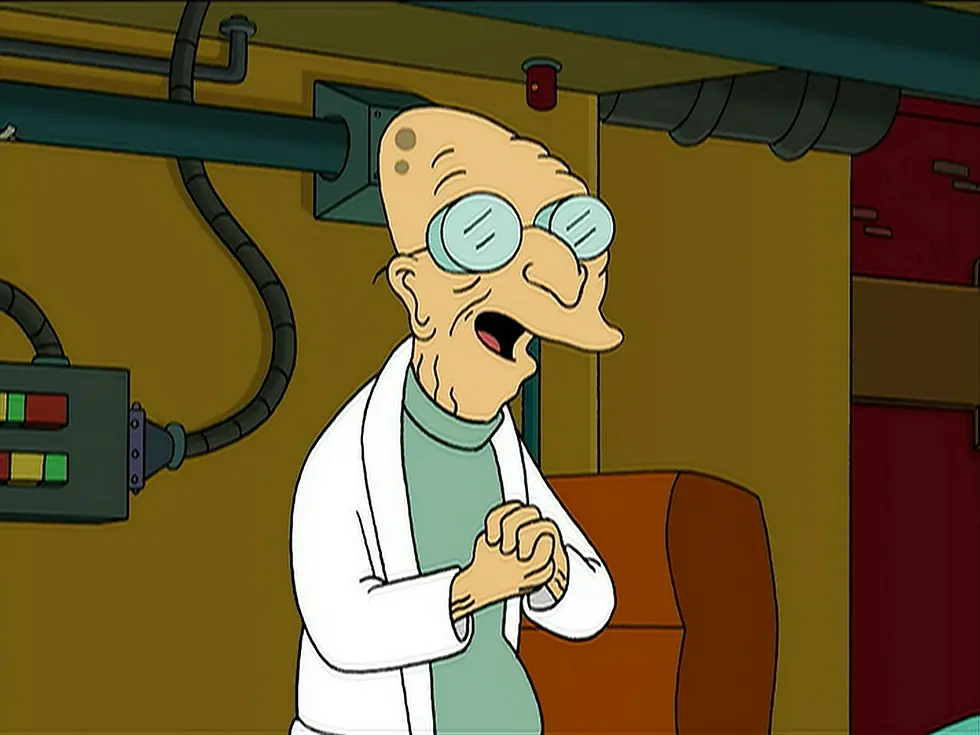
Watch your favorite show/movie: Sometimes I just want to watch a plot progress instead of being part of it. So I put on my favorite show and check my brain at the door. The joy from watching my favorite characters go about their lives often brings back the joy in writing my own characters. Particularly when I really respect the writing staff of the show. (Looking at you, "Futurama.")
Talk to someone about your art: Seriously, a lot of the time, this is the thing that helps the most. As creatives, we spend so much time in our own heads, talking to ourselves about our art that we get caught in a fish bowl. Talking to someone can reignite that spark! I love, love, love when my friends and family want to discuss my books. And the best part is, I don't have to do a lot of talking. I can ask questions to get their thoughts and stir the pot a little when they tell me their theories or likes and dislikes. It's a fun way for friends and family to show support as well as a great way for you to see your work through someone else's perspective.
Listen to music: I have 2 dedicated playlists for the AOD series. One of them is for any non-main series works and the other is for the main series. As soon as I put either playlist on, I'm transported to the AOD world and I can start funneling out all irrelevant thoughts to make room for AOD only. If you find yourself moved or inspired by music, try finding bands or songs that fit the theme of your current project. Listening to those songs will likely trigger you to think of your work and you'll be surprised by how much more you get done.
Re-read your own work. Sometimes we need to remind ourselves how far we've come and why we created in the first place. If your're an author, re-reading your completed work can bring back those exciting tickles of creative inspiration. The same can be true for other creatives if you just look at your completed projects again and remember where you're going with it.
Color. Even if you're an artist, there's something to be said about just turning off your brain and coloring in a coloring book. Yes, it's still using that creative brain muscle, but it's also using it in a different way. You're not creating something of your own; you're just filling in someone else's design and it can help your brain take a break.
Meditate. I was skeptical about this one because I didn't think I could get my brain to shut of long enough to do it, but it works! I use meditation to refocus me when I'm in a bad mood, stressed, or need to recharge. I'm trying to incorporate it into my daily routine, so if you can do that, too, all the better. There are a ton of free apps out there, so you're bound to find one that suits you. I like "Smiling Mind." They aren't sponsoring this and I'm not being compensated for promoting them (although I wouldn't reject an offer to do so); I just really believe in their app and know that it works wonders for me. The meditations I choose are no longer than 10 minutes, but the meditation music keeps playing long after the session has ended, if that's what you need. Sometimes, I just keep listening until I feel like I've done the work to make my mind smile again.
Remember your "why." Why did you start this creative project in the first place? I don't like to have my "why" associated with conditional goals such as fame or fortune because those are, seemingly, impossible goals that can be discouraging after a while, if they don't come to fruition. Instead, focus on the more intimate reason why. What was it that called you to be creative? What was it that brought out your very first creation? When you started this whole thing, what was your goal? Break it down into as many bite-sized pieces as you need. Write it on a sticky note at your workstation, if you have to. Just never forget why you're doing this in the first place.
I hope this helps someone out there who is struggling to find their groove again. Never forget that it's okay not to be creating all the time. It's okay to be overwhelmed by the process and take a break. Take as long as you need and don't let external forces influence you into thinking otherwise. Creativity is a gift and should be honored as such. Creativity is also an exercise for your brain. Just like any other form of exercise, you don't want to focus solely on one area or the other areas will be weak by comparison. You have to work all your muscles to be your best you. The brain is no different. Exercising it in other ways will help strengthen that creative muscle, too.


Comments